
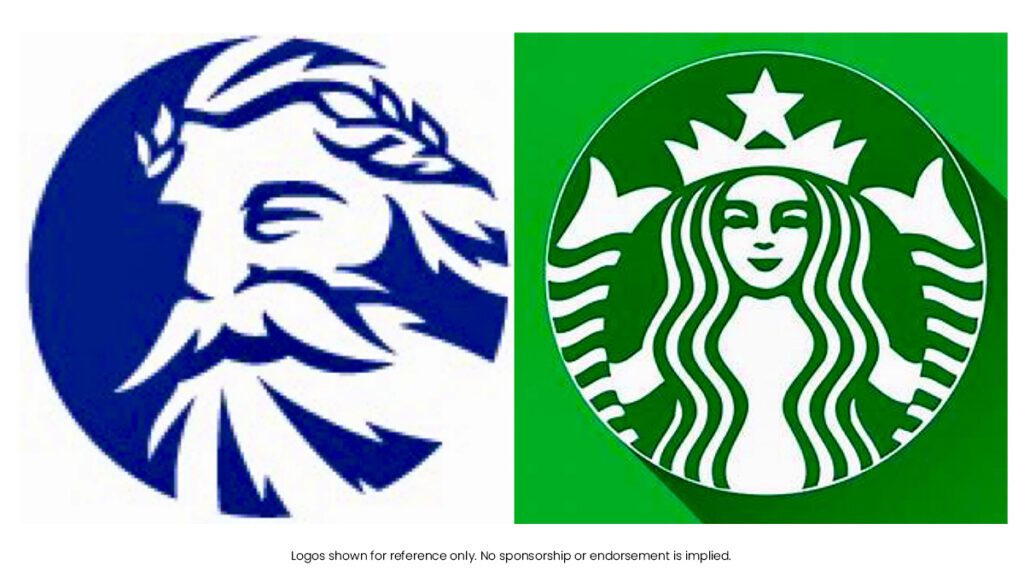
I walked into a meeting with a cup of Zu’s coffee in my hand. It was early December, when Starbucks lines grow longer and planners quietly signal participation in a shared ritual. The person beside me smiled and asked, “Do you like Zu? No Starbucks planner this year?”
I laughed and answered honestly. The lines were too long for my patience, and I was never a planner collector. It was an ordinary exchange, yet it lingered. Not because of the question itself, but because of what it implied: that even a coffee choice had become a proxy for identity.
I have always considered myself a rational buyer: practical, efficient, and decisive. But that moment reminded me of a truth we often resist: no matter how analytical we think we are, we are still human. And humans respond to symbols.
The Elevator Lesson
Years earlier, I stepped into an elevator holding a cup of coffee from a donut cafe. It was hot, affordable, and exactly what I wanted. Inside my shirt pocket was a Montblanc pen, valued for craftsmanship rather than visibility.
Just before the doors closed, three young professionals entered. Each carried a Starbucks cup.
They glanced at me.
Then at my cup.
Then at each other.
In that confined space, something subtle happened. Their identical cups formed a visible alliance. A shared signal. In that brief moment, my practical choice felt exposed. I felt the unexpected urge to hide my cup.
I did nothing. But the discomfort was instructive. It revealed how quickly social symbols can override logic, even for those who believe they are immune.
The Starbucks Effect
Starbucks does not simply sell coffee. It sells ritual. The December planner is not a promotional giveaway; it is a cultural event. Consumers don’t collect the planner itself, they collect the meaning attached to completing the journey to acquire it.
Ritual builds habit. Habit builds loyalty. Loyalty builds tribes. And tribes amplify symbols.
This is what I call the Starbucks Effect: when ritual, visibility, and clustered social proof transform an ordinary product into a default identity marker.
In social environments, loud symbols outperform quiet value. A paper cup visible to everyone can outweigh a premium object hidden from view. Meaning, when shared and seen, scales faster than quality.
The Alternative Reality
The Starbucks Effect is powerful, but it is not universal.
This is where many competitors go wrong. They assume the way to compete with Starbucks is to outdo Starbucks at its own game: more stores, louder branding, stronger lifestyle signaling. They try to be different in the same way.
That approach never beats Starbucks.
The smarter competitors succeed by not playing the same game at all.
Where the Effect Breaks Down
First, not all contexts reward visibility. In private spaces, such as homes, offices, late-night work sessions, there is no audience. Without social observation, symbolic value weakens and function regains importance. This is where home brewers, specialty beans, and quiet-quality brands thrive.
Second, some identities are built on rejection, not participation. Among specialty coffee enthusiasts, local cafe loyalists, and minimalist consumers, Starbucks often signals conformity rather than taste. In these circles, opting out becomes the identity.
Third, loud symbols lose power when they become everywhere. When everyone carries the same signal, it stops differentiating. What once felt special becomes expected. Meaning erodes unless rituals evolve.
Finally, competence-driven identities resist symbolic shortcuts. Engineers, craftsmen, and experts often distrust overt signaling. For them, visible branding suggests marketing over mastery. In these contexts, Starbucks’ greatest strength, visibility, can quietly work against it.
The Strategic Mistake
Many brands lose because they fight Starbucks on Starbucks’ terms. The more effective challengers do something else. They win by:
- embracing invisibility rather than attention
- prioritizing depth over reach
- designing for private satisfaction instead of public display
- anchoring identity in expertise, locality, or intentional choice
They are not trying to be the loudest cup in the elevator. They aim to be the cup chosen when no one is watching.
Two Selves, One Decision
That elevator moment was a reminder that every consumer carries two selves:
- the symbolic self, sensitive to belonging and social cues
- the functional self, guided by utility and personal standards
Starbucks excels with the first. Its competitors can succeed when they design deliberately for the second.
The mistake is assuming one must defeat the other.
The Real Lesson for Businesses
The Starbucks Effect explains how meaning scales.
Its limits explain where meaning fails.
For Filipino businesses competing with global brands, the opportunity is not in scale or spectacle, but in choosing contexts where identity is private rather than performative.
Brands are not built only in advertising campaigns or boardrooms. They are shaped in everyday interactions: the glance of a stranger, the symbol someone carries, and the quiet decisions people make when no one is looking.
I may not be brand-conscious, but I am human. And humans gravitate toward symbols, until they don’t.
The brands that endure are those that understand not just how consumers buy, but when identity matters, and when it does not.
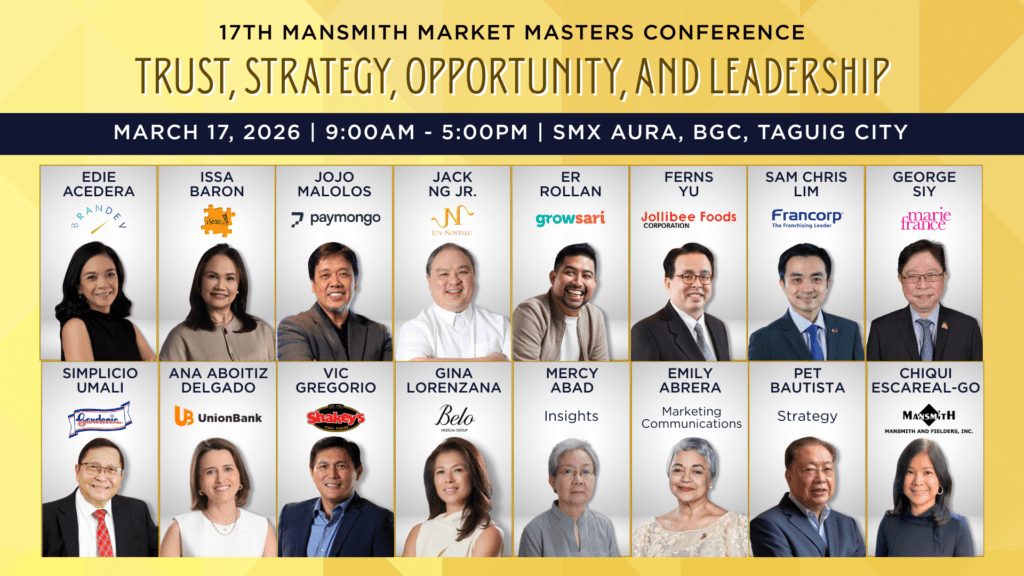
Join the Conversation with 16 CEOs/MDs/Presidents
Explore ideas about trust, opportunity, strategy, and leadership in person at the 17th Mansmith Market Masters Conference on March 17, 2026 in Smx Aura. For more information, visit: www.marketmastersconference.com
***
Josiah Go is a three-time record-breaking, best-selling author of 20 books on marketing and entrepreneurship, all written within the Philippine setting.