

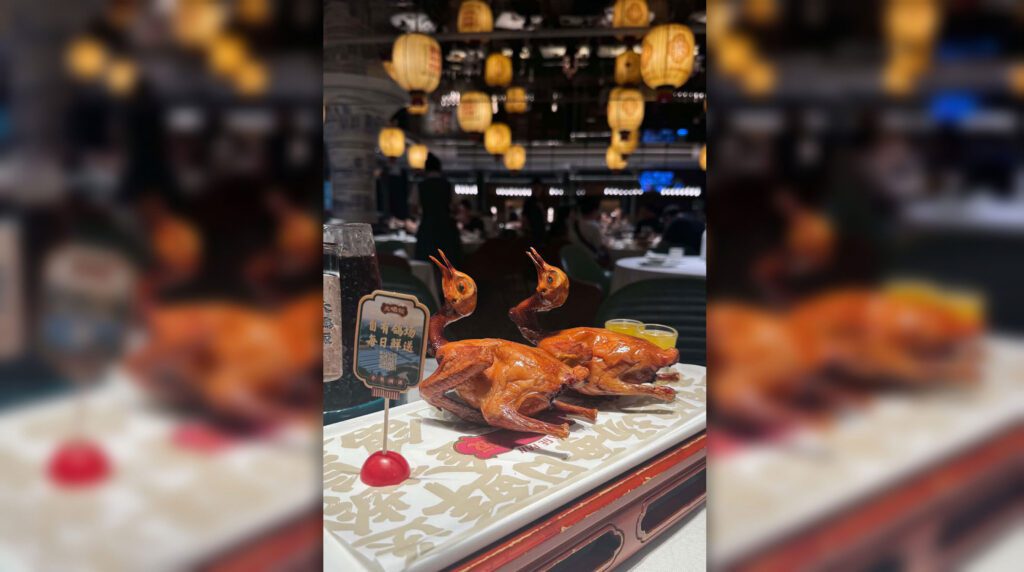
Why first-mover advantage is overrated, and how a modern casual dining chain can be decoded using the 6-Step Strategy Logic Chain to understand their category-dominating restaurant.
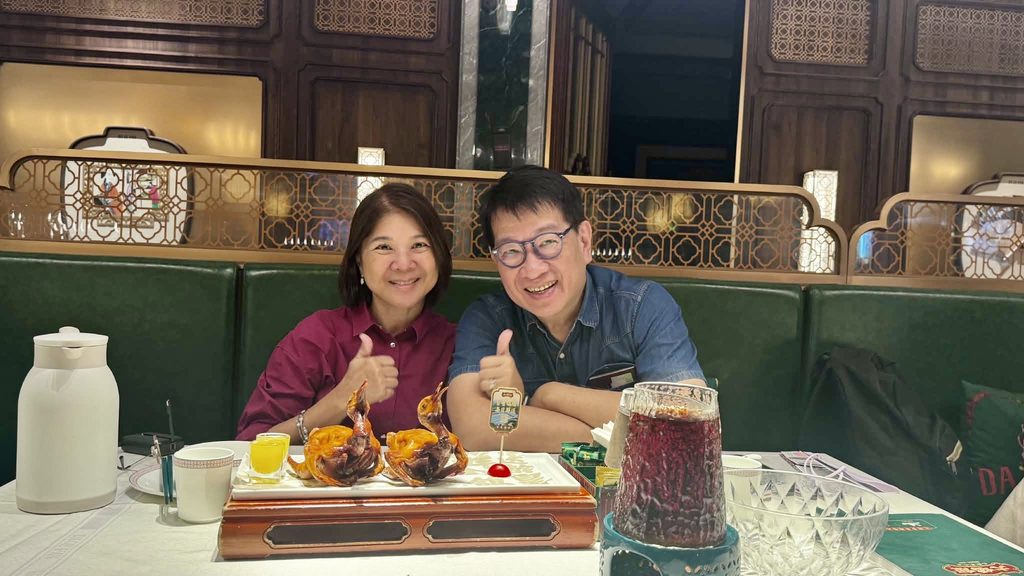
When my wife Chiqui and I recently visited Shenzhen, it marked a return after four decades. Back then, Shenzhen was just beginning its transformation into an economic engine. Today, it is a bustling tech and commercial mega-city. Naturally, our very first meal had to be something special.
Months before our trip, my curiosity was sparked by a YouTube video highlighting a unique culinary phenomenon in Shenzhen: a restaurant chain built entirely around pigeon. Then, as we walked through the COCO Park shopping mall in Futian, AI recommendation algorithms delivered a clear consensus, if we were in Shenzhen, dining at Da Ge Fan (大鸽饭) was an absolute must.
Taking no chances with dinner crowds, we walked in early at 4:15 PM. To our amazement, within ten minutes, the entire restaurant was packed. Looking around the dining room, the demographic mix was striking: young couples, families with children, and multi-generational groups. Despite their different backgrounds, every single table shared one obvious common denominator: everyone was eating pigeon.
What made the meal even more memorable was Chiqui’s reaction. At traditional multi-course Chinese lauriat dinners back home, she almost always passes up the roast pigeon. But after taking her first bite of Da Ge Fan’s signature raw-fried pigeon, she found a new love for it. The skin was paper-thin and glassy crisp, while the meat inside remained exceptionally tender and juicy—a stark contrast to the often dry, over-poached versions found elsewhere.
As a strategist, watching a packed dining room devour pigeon before 4:30 PM raised an obvious question: How did a single restaurant chain turn a traditional secondary dish into a dominant, standalone market category, even when they were neither the first nor the original to offer it?
First to Market vs. First to Succeed
For a long time in my strategy work, I used to think that being first to market was critical for long-term commercial dominance. Over years of analyzing business models across industries, I came to realize a deeper truth: first to market matters far less than the superiority of being first to succeed.
Long before Da Ge Fan opened its doors in 2007, Cantonese dining had already embraced pigeon. In Shenzhen, the tradition was anchored by historic institutions like Guangming Guest House starting back in 1983.
However, traditional operators treated roast pigeon as just one entry on a massive 150-dish banquet menu. Da Ge Fan’s founder didn’t invent pigeon consumption; he redefined its business architecture. He pulled pigeon out of distant suburban farmhouses and placed it inside prime urban shopping malls as a hyper-focused casual dining concept.
Being first to offer pigeon didn’t give legacy spots a permanent moat, being first to succeed in standardizing and scaling the category is what allowed Da Ge Fan to capture the market.
Decoding Their Success: The 6-Step Strategy Logic Chain
As a strategy diagnostic tool, we can use the Logic Chain to decode the implicit choices Da Ge Fan made that enabled their extraordinary rise:
1. Value Proposition (The Hero Promise)
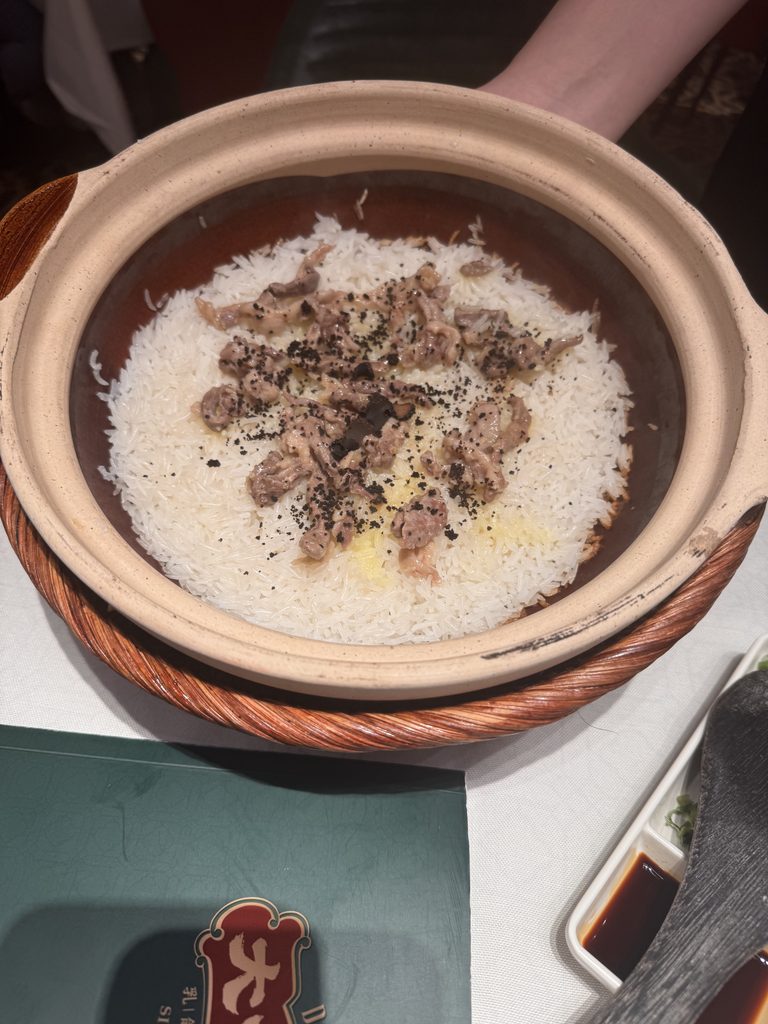
Instead of competing with multi-page Cantonese banquet halls, Da Ge Fan anchored on a sharp value proposition: the ultimate fresh, glassy-crisp pigeon and claypot pigeon rice experience. They did not try to be everything to everyone; they owned one signature hero craving.
2. Consumer Behavior (The Market Shift)
Modern urban diners in high-density shopping hubs like COCO Park behave differently than past generations:
- Specialty Preference: Consumers increasingly favor “category experts” over generic generalists when seeking specific dishes.
- Frictionless Dining & Guarantees: Diners demand fast execution and clean environments. Da Ge Fan reinforces this with subtle service promises, such as an hourglass on the table guaranteeing hot food within 30 minutes, or it’s free.
- No-Veto Table Dynamics: While pigeon brings groups through the door, offering high-quality non-pigeon items (steamed fish, soups, seasonal greens) eliminates the “veto vote” for group members who want a complete meal.
3. Capability (The Execution Engine)
A great value proposition fails without back-end operational capability:
- Upstream Supply Control: Da Ge Fan built its own dedicated pigeon farms to control bird age (strictly 25-day-old birds) and guarantee daily fresh delivery to branches, bypassing open-market supply volatility.
- Culinary Engineering: They popularized the direct “raw-frying” technique (Sheng Zha), eliminating traditional pre-poaching to lock in natural juices while achieving a paper-thin crispy skin.
4. Economic Drivers (The Profit Engine)
- High Asset Velocity: Narrow culinary focus allows rapid kitchen prep times, enabling high table turnover rates even during off-peak hours (like our 4:15 PM seating).
- Basket Size Expansion: Low-barrier hero items (pigeon) bring mass traffic, while high-margin complementary dishes, drinks, and claypot rice inflate the total ticket size per table.
5. Cost Structure (The Efficiency Advantage)
- Disintermediated Sourcing: Owning supply farms removes distributor markups, lowering the unit cost per bird.
- Streamlined Kitchen Operations: Because the majority of table orders concentrate on pigeon and claypot rice, kitchen prep is simplified, reducing labor overhead compared to complex banquet operations.
6. Moat (The Defensible Advantage)
The alignment of these steps produces Da Ge Fan’s composite competitive moat:
- Supply Scale Moat: Competitors buying from wholesale markets cannot match their unit cost or supply consistency. (While managing biological risks like poultry illness requires ongoing vigilance, their farm scale gives them an undeniable sourcing barrier.)
- Algorithmic & Michelin Flywheel: High volume yields thousands of reviews on platforms like Dianping, earning Michelin Bib Gourmand status. This high review density creates a digital feedback loop where AI engines and recommendation apps continuously route new tourists and locals to their doors.
- Brand-Category Equivalence: In Guangdong, the brand name Da Ge Fan (literally “Big Pigeon Rice”) has become synonymous with the category itself.
Key Strategy Takeaways for Business Leaders
Decoding Da Ge Fan’s rise offers vital positioning lessons for executives and entrepreneurs alike:
- “First to Succeed” Over “First to Market”: Being the pioneer who introduces a product matters far less than being the innovator who figures out how to execute, scale, and succeed in delivering it to the mass market.
- Focus Beats Breadth: Narrowing your core value proposition creates sharp brand identity, provided you protect table volume with sensible secondary menu options.
- Control Your Engine: Backend supply chain integration is what converts a front-end marketing promise into a defensible economic moat.
By aligning their value proposition with modern consumer behavior and building the hard capabilities to back it up, Da Ge Fan turned a regional staple into one of Guangdong’s most formidable casual dining empires.
And as Chiqui will tell you, once you’ve tasted pigeon executed at that level, it’s easy to see why the entire room was filled before 4:30 PM.
***