
(Photo source: Pixabay)
I’m not the type who usually writes love letters. I measure things in KPIs and deadlines, not feelings. I notice inefficiency, not poetry. And yet, here I am, writing during a flight, not to a person, but to an airline.
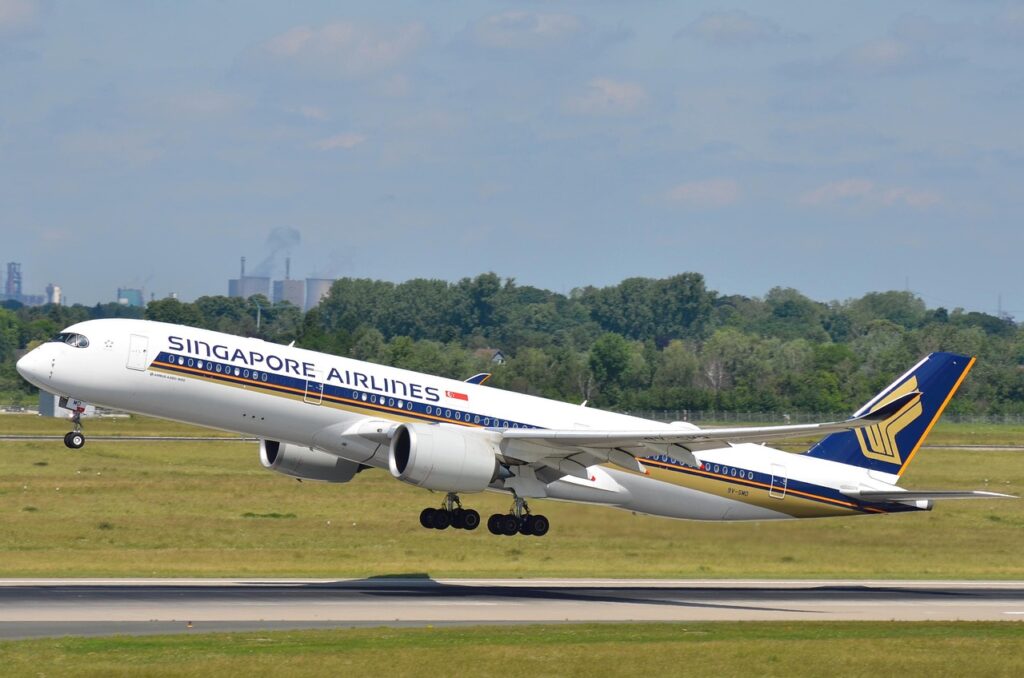
Singapore Airlines. You’ve taught me that superior customer experience (CX) isn’t just about getting from point A to B without incident. It’s about how you make people feel along the way. And when done consistently and thoughtfully, it begins to feel a lot like trust, and I must admit, sometimes even love.
This isn’t admiration for luxury or polish. It’s respect for a system that repeatedly chooses humanity over convenience, empowerment over rigid policy, and anticipation over reaction.
Here’s what I’ve learned.
Lesson 1 — Trust Is Built Through Generosity
Years ago, the inflight entertainment system failed for two rows. It wasn’t a long flight. Most airlines would have apologized and moved on. You didn’t.
Instead, the purser handed out duty-free vouchers worth far more than the inconvenience of missing a movie. When other passengers jokingly asked for one, the response was calm and firm: “This is a special circumstance.”
No drama. No defensiveness. Just generosity.
Mistakes are inevitable. Trust is built in how you respond. Generosity creates surplus goodwill, an emotional buffer that turns service recovery into loyalty. It signals to customers, “You are more important than the policy.”
Lesson 2 — Small Gestures Create Big Memories
On another flight, a five-minute delay prompted something unexpected. The crew lined up, apologized sincerely, and handed out chocolates.
Five minutes. One chocolate. A memory that stayed with me for years.
CX is emotional, not operational. Small, thoughtful gestures often leave deeper impressions than grand gestures. Emotional spikes, especially positive ones, anchor brand memory far longer than efficiency metrics ever will.
Lesson 3 — Empathy Is Operational, Not Optional
Life intervened when my wife needed emergency retina surgery. We had to cancel a Europe trip the day before departure. I expected a long process. Forms. Delays. Stress.
Instead, the refund was processed the same day.
More importantly, I felt understood. The team didn’t just handle a transaction; they acknowledged a life moment. That was the day I moved from being a satisfied customer to a lifelong advocate.
Empathy must be operationalized. Loyalty rooted in genuine human care is permanent. When staff are empowered to respond to real life, not just rules, you don’t just retain customers, you earn advocates.
Lesson 4 — Anticipation Is Superior to Resolution
On a recent trip, your team noticed our Singapore transit time was dangerously tight. Before we even realized the risk, you rebooked us onto an earlier flight.
No request. No complaint. No anxiety.
Preventing stress is more powerful than fixing problems. Anticipation creates emotional safety. CX leadership isn’t just about solving issues, it’s about staying one step ahead of them.
Lesson 5 — Empowerment Creates Confidence
On another occasion, I asked to move to an earlier flight from Sydney, with less than an hour’s notice. There was no interrogation. No rigid escalation. It simply happened.
I didn’t have to explain that I wanted to return home early to visit my mother in the hospital. I didn’t have to justify my urgency.
That’s why I can say, with complete confidence, “It’s Singapore Airlines, they’ll make it happen.”
Empowered employees reduce stress in real time. CX isn’t just process; it’s confidence in action. Operational reliability leads to emotional confidence, which ultimately becomes brand trust.
Lesson 6 — Consistency Builds Character
Across continents, cultures, and years, one thing has remained constant: calmness, humility, and kindness.
Customers don’t remember aircraft models or seat configurations. They remember how they felt. And consistency turns isolated actions into character.
CX is predictable human behavior, delivered consistently. Over time, consistency transforms service into identity, and identity is what earns trust. Trust, not price or perks, is the ultimate differentiator.
The Bigger Picture
Not every company has Singapore Airlines’ resources. But superior CX isn’t about scale, it’s about intent, design, and empowerment.
What truly sets great CX leaders apart is not perfection, but philosophy. Superior CX is the combination of:
- Humility
- Empathy
- Anticipation
- Empowerment
- Consistency
- Accountability
- Memory creation
Customers don’t stay because their problem was solved. They stay because of how they felt while it was being solved.
Every thoughtful gesture is a deposit into an emotional bank. Over time, those deposits compound, turning satisfaction into attachment, and transactions into lifelong advocacy.
Singapore Airlines clearly invests in:
- Surplus goodwill
- Empowered frontline staff
- Emotional consistency
- Flexible systems
- Training that shapes brand character
These are not costs. They are strategic assets. And like all good investments, they compound.
Singapore Airlines, you’ve shown me that CX isn’t just about flying planes. It’s about creating confidence, peace of mind, and lasting memories.
I admire you not just for efficiency or service standards, but for demonstrating that how you make people feel is the real business of service.
With respect, and a rare soft spot,
Josiah Go
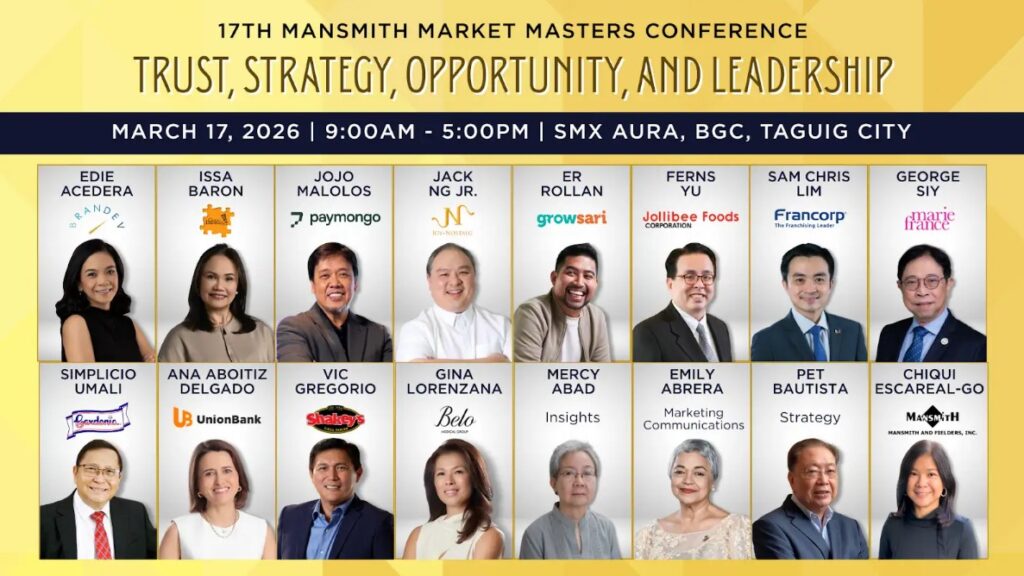
Join the Conversation with 16 CEOs/MDs/Presidents
Explore these ideas in person at the 17th Mansmith Market Masters Conference on March 17, 2026 in SMX Aura. Discover how trust, opportunity, strategy, and leadership intersect to shape successful businesses in the Philippines and beyond. For more information, visit: www.marketmastersconference.com
***
Josiah Go is a business thought leader, and best-selling author. His work focuses on helping companies translate strategy into results while building enduring trust with customers.