
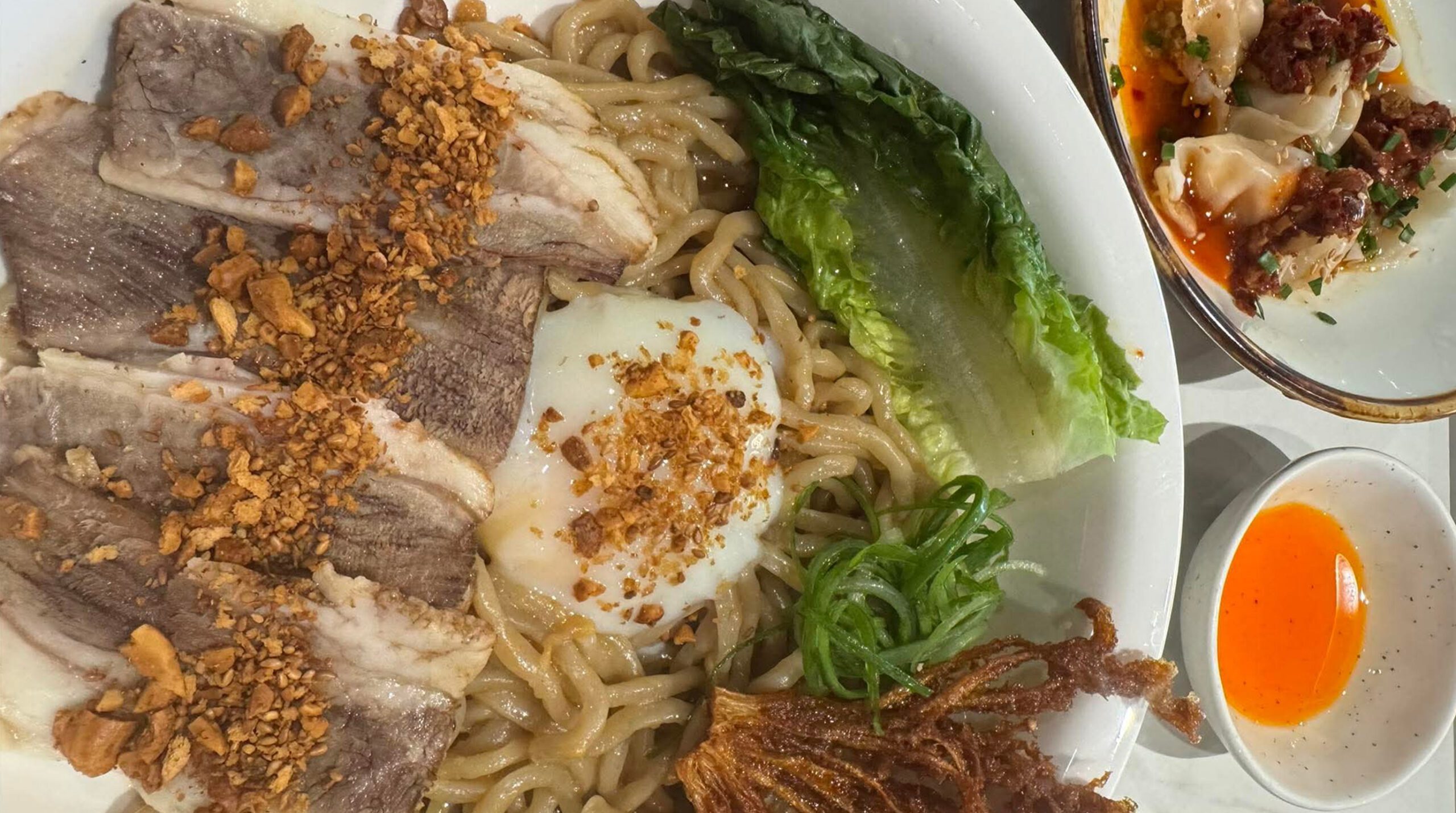

Are Customers Returning Because They Choose You, or Because They Have Not Found a Reason to Leave? A few times each month, I return to the same beef noodle shop in Opus. It is only a kilometer from my home, making it convenient. Sometimes my wife, Chiqui, joins me, and we share a simple meal for less than ₱1,000. I […]
Search Results for: selling
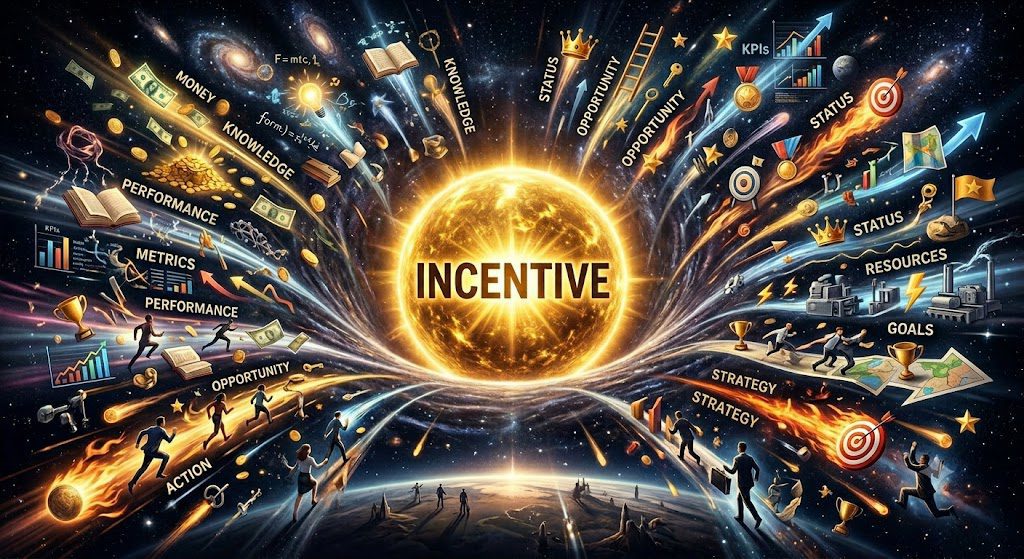
On paper, companies are logically consistent: Yet execution still breaks down. Not randomly, but predictably. Because between strategy and behavior sits a force most organizations underestimate: Incentives determine what people actually do when no one is watching. And when incentives conflict with strategy, incentives always win. Here are ten points to consider: 1. The Real Architecture of Execution Every organization operates […]

While visiting Bangkok with some old friends, we stopped by a popular shopping mall where one of them decided to get a suit made. The proposition stopped me in my tracks: One coat. One shirt. One pant. One tie. Custom-fitted. Ready in 24 hours for roughly US$137 (Baht 4,500, or Php 8,300). My friend ended up upgrading his raw material […]
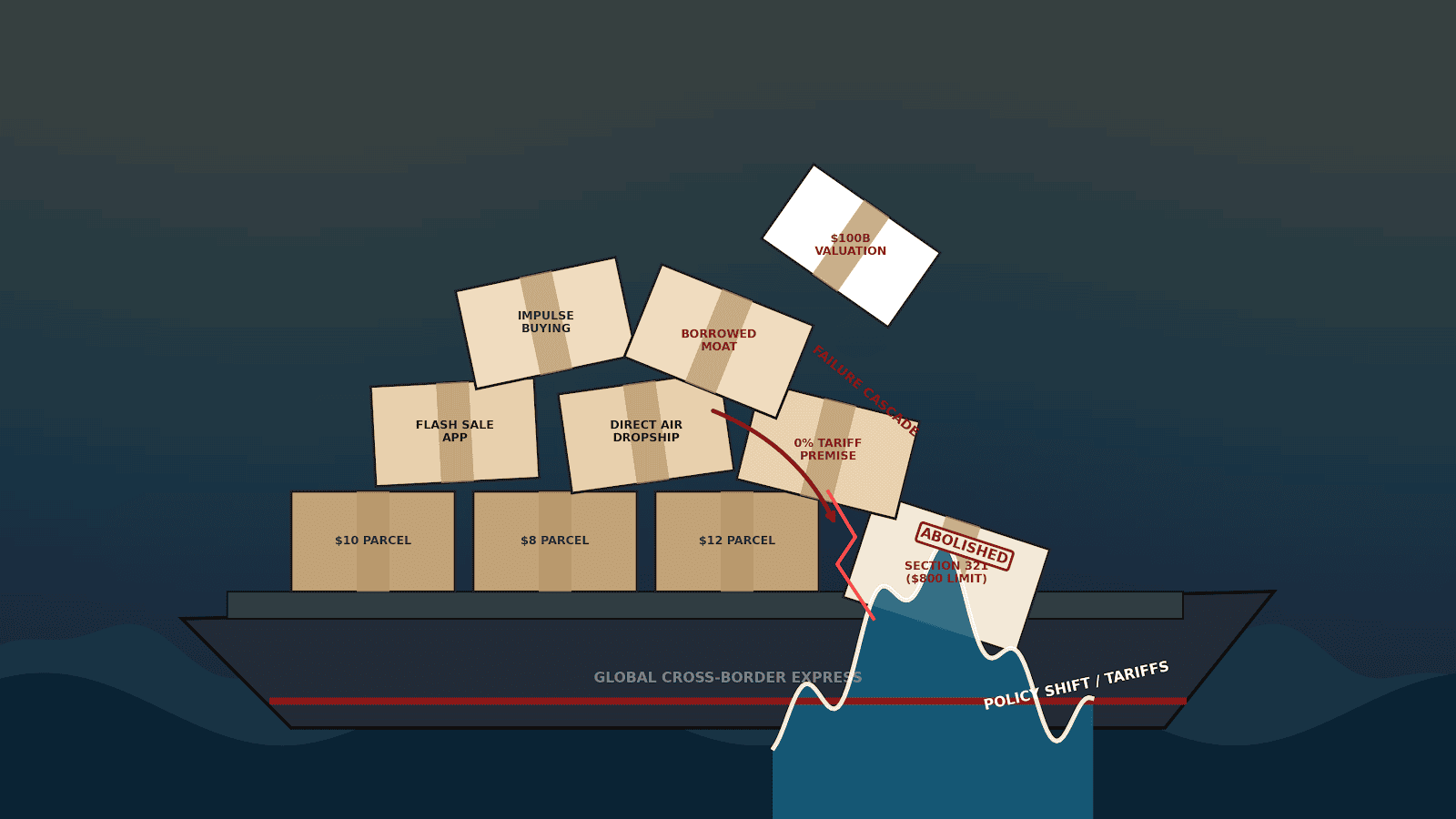
When news broke that the United States government moved to close the $800 de minimisthreshold, the tariff-free customs exemption long leveraged by Chinese cross-border platforms Shein and Temu to ship direct-to-consumer parcels via air freight, industry observers treated it as a sudden geopolitical shock. But from a strategic auditing perspective, this outcome was not a surprise. It was a structural load […]
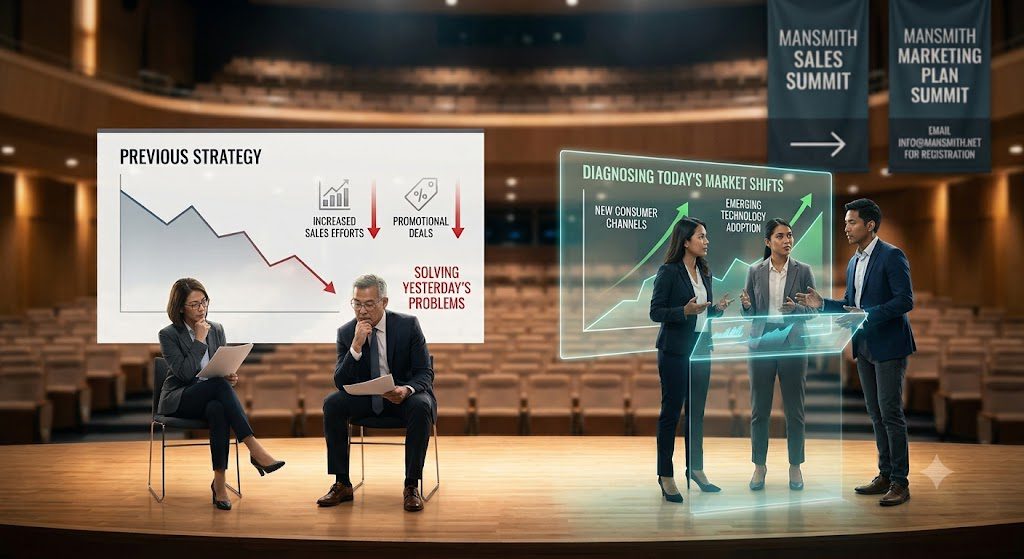
Every year, I meet business owners who ask essentially the same question. “Our products are good. Our people work hard. So why aren’t we growing?” It is a fair question. What’s interesting is that another company, in the same industry, serving the same customers, often grows much faster. Same economy. Same regulations. Sometimes even the same suppliers. Yet the results […]
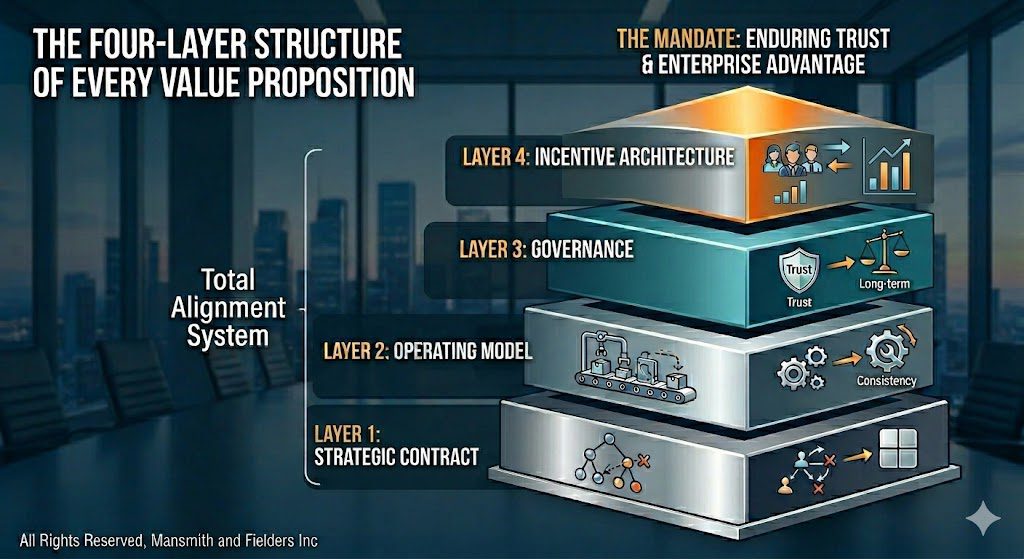
Author’s Note: This is an expanded version of last Friday’s article on the value proposition as a contract for relevance. When companies fail to deliver on their value proposition, the usual explanation is poor execution. Sales overpromised. Operations underdelivered. Customer service failed to manage expectations. Sometimes that is true. But when the same failures repeat across markets, teams, and leadership cycles, […]

Author’s Note: This is Step 1 of a 6-step Logic chain based on the PILA reasoning stack—Problem, Insight, Logic, and Assumptions. Most organizations misclassify what a value proposition is. They treat it as messaging, positioning, or branding clarity. A communication asset owned by marketing and expressed through differentiation language. This is a category error. A value proposition is not what […]

What Shanghai’s invisible operating system teaches us about removing barriers, building trust, and creating systems that scale By Josiah Go Shanghai, July 14–18, 2026 I arrived in Shanghai expecting to be reacquainted with the skyline. After all, this is a city of futuristic towers, luxury districts, and the historic Bund overlooking the Huangpu River. But after several days on the […]


(Adapted from the book “Entrepreneurship: The Four-Gate Model”) Imagine a business poised to disrupt an entire market, one where a simple product is turned into a game-changer through innovation and strategic foresight. This is exactly what Orocan, a trusted plastic manufacturer, did with their insulated coolers. It all started with a single observation by their president, Ramon Go. Ramon Go […]
In strategy, activity is often mistaken for progress. Organizations move quickly to solutions because “doing something” feels productive. However, in the PILA (Problem, Insight, Logic, Assumptions) reasoning stack, the Problem is your structural foundation. If the “P” is weak, the entire stack—the forced insights, the fragile logic, and the risky assumptions—becomes an organizational liability. Solving the wrong problem well is […]